
The total cost of ownership (TCO) of a truck mounted crane is the full cost of buying, installing, operating, maintaining and eventually replacing or selling the equipment. It includes much more than the purchase price. For an importer, contractor, rental company or fleet owner, truck chassis compatibility, shipping, fuel or hydraulic power, routine inspection, spare parts and unplanned downtime can all change the real cost over several years.
A lower-priced crane is not automatically the less expensive choice. A crane that is correctly matched to its truck, load chart and daily workload may cost less to operate than a cheaper unit that frequently needs repair or cannot perform the required lifts. The most useful comparison is therefore cost over the expected service period, not price per unit alone.
This guide explains which costs to include, how to compare suppliers on the same basis and what information to prepare before purchasing a truck mounted crane from China.
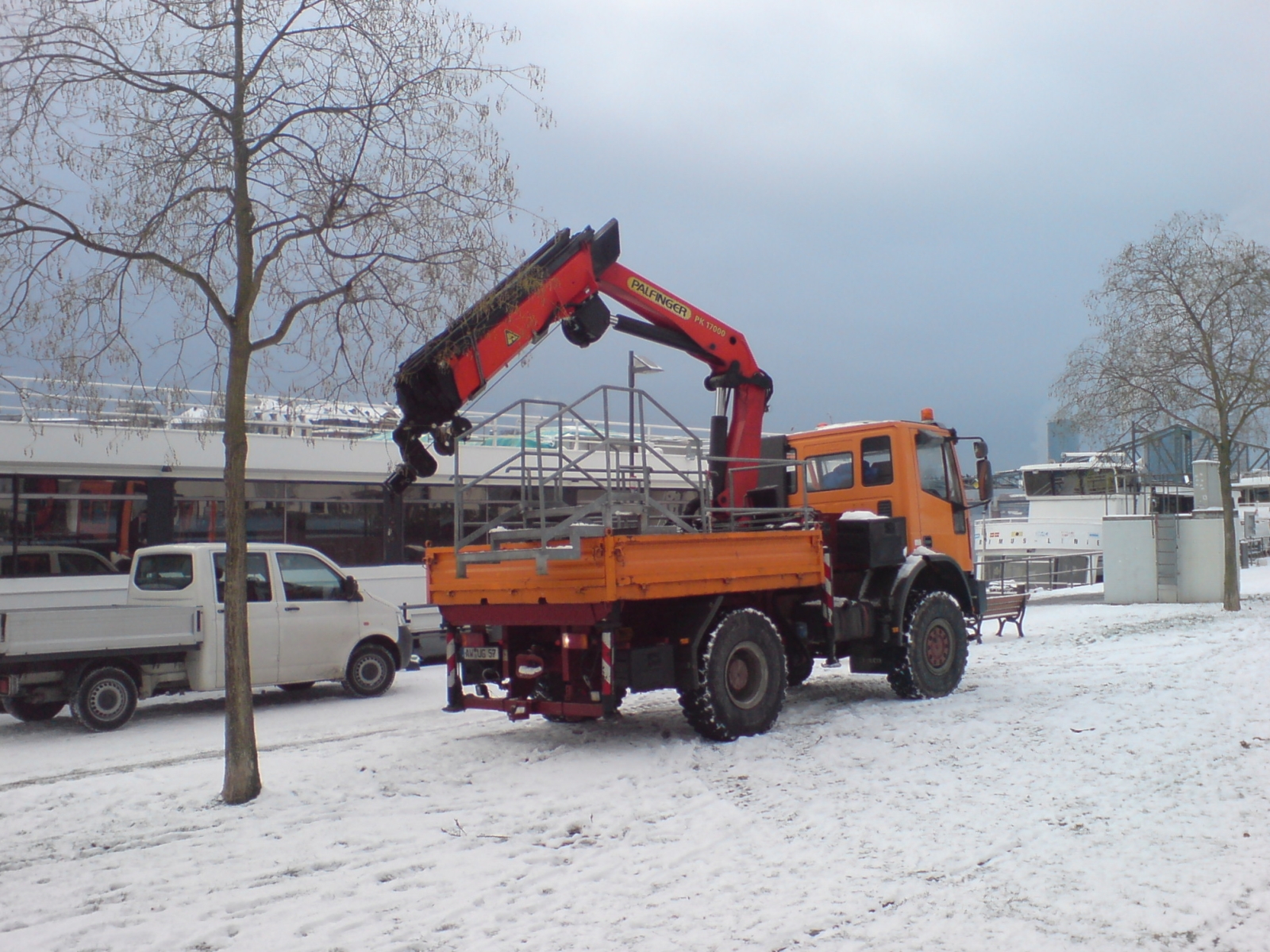
1. What Costs Should Be Included in Truck Mounted Crane TCO?
Think of TCO in three stages: getting the crane into service, keeping it working and recovering any remaining value when it is sold. Buyers should separate the crane-only purchase from a complete crane truck, because including a truck chassis in one offer but not another makes the comparison misleading.
| Cost Category | What Buyers Should Count |
|---|---|
| Initial acquisition | Crane or complete vehicle price, options, initial accessories |
| Installation | Subframe, mounting labor, PTO and hydraulic connections, commissioning |
| Import and delivery | Freight, packing, insurance, import duties and applicable taxes |
| Operation | Fuel or power, operators, consumables and routine cleaning |
| Maintenance | Inspection, lubrication, hydraulic oil, filters and wear parts |
| Repair and downtime | Failed components, labor, rental replacement or lost working time |
| Compliance and risk | Local inspections, registration where applicable, insurance |
| End-of-life value | Resale or trade-in proceeds, less disposal or sale costs |
Not every category applies to every buyer. If the truck is already owned, do not treat its entire original purchase price as a new crane project expense. Instead, include only the incremental truck modifications and the truck’s share of operating costs where appropriate.
2. Purchase Price and Crane Configuration
The purchase price changes with lifting capacity, working radius, boom design, control system and optional equipment. A telescopic boom crane and a knuckle boom crane with similar advertised tonnage may have different useful lifting performance at the radius a customer actually needs.
Before comparing prices, request the load chart for the exact model and check the load at the intended radius. Also compare what is included: outriggers, remote control, mounting accessories, hydraulic oil tank, hoses, winch, grab attachments or other components. An offer with missing installation parts can look inexpensive but cost more by the time the crane is ready to work.
Buyers should also confirm whether the quotation covers a crane-only unit or a complete crane truck. These two options have very different acquisition and import cost structures.
3. Installation, Chassis Matching and Commissioning
Installation can be a major source of unexpected expense. The truck frame, wheelbase, axle ratings, installation location and available space must suit the crane and its stabilizers. The power take-off (PTO), hydraulic system, subframe and mounting hardware also need to be compatible. For a deeper installation-cost breakdown, see How Much Does It Cost to Install a Truck Mounted Crane?.
A poorly matched crane can require repeated changes at the local workshop. In the worst case, it may create unsafe axle loading or stability problems, making the vehicle unsuitable for service until the installation is corrected.
Ask the supplier and installer to review the truck chassis information before production. Buyers should obtain an installation scope identifying what the crane manufacturer supplies, what the local workshop supplies, who checks structural loads and who performs final commissioning. Never reduce installation cost by bypassing required engineering checks or inspections.
4. Shipping, Import and Local Approval Costs
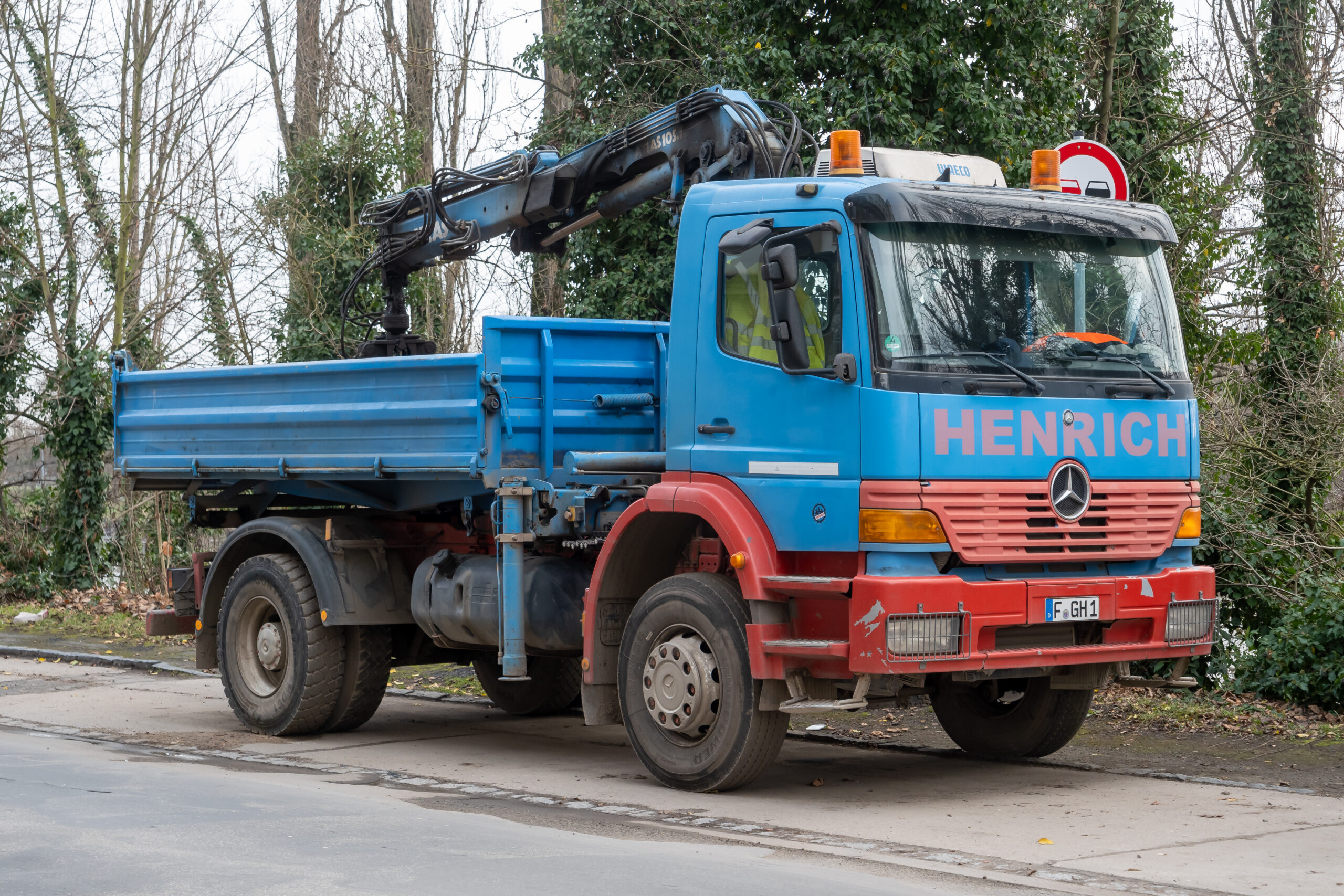
International buyers should calculate the equipment’s landed cost, not just its factory price. Transport costs depend on dimensions, gross weight, packing method, destination port, whether the crane is mounted on a truck and the shipping service selected.
A crane-only unit may fit a container, while an assembled crane truck may require different shipping arrangements. Packaging, cargo securing, marine insurance, port charges, customs clearance and local transport can all add costs. Depending on the destination, duties, taxes, vehicle registration, equipment inspection and other approvals may also apply. For shipment planning, see How Is a Truck Mounted Crane Shipped Overseas?.
Do not assume that a CE marking, an ISO management certificate or a supplier’s load-test video automatically satisfies all import or operating requirements. Confirm the relevant rules with a qualified local importer, installer or regulator before ordering.
5. Fuel, Power and Daily Operating Costs
Most hydraulic truck mounted cranes draw power from the vehicle engine through a PTO-driven hydraulic pump, though configurations vary. Fuel consumed during crane operation depends on engine speed, load cycle, working time, pump efficiency and operator habits.
For a practical estimate, record engine or PTO operating hours separately from driving hours if possible. Add the costs of an operator, hydraulic oil top-ups, periodic cleaning, parking or storage, and other consumables relevant to the job. A crane that frequently travels between sites may have a different cost profile from one operating in a single yard.
Productivity matters as well. A faster or more convenient operation is useful only when achieved within safe load and duty limits. Compare how much productive work the crane completes per paid hour, rather than focusing on fuel consumption alone.
6. Preventive Maintenance and Wear Parts
Routine maintenance is generally easier to plan than emergency repair. Truck mounted cranes require inspections and maintenance of hydraulic hoses, fittings, oil and filters, pins, bushings, slewing components, outriggers, bolts and electrical controls. The exact intervals should come from the model’s manual, operating hours and working environment.
| Maintenance Area | Cost-Control Action |
|---|---|
| Hydraulic oil and filters | Use the specified fluid and replacement schedule; control contamination |
| Hoses and seals | Inspect leaks, abrasion and aging before failure |
| Pins, bushings and slewing system | Lubricate and check wear or looseness regularly |
| Outriggers and supports | Inspect cylinders, pads, locking devices and ground-contact parts |
| Electrical and remote controls | Protect from moisture; inspect batteries and emergency-stop function |
| Structure and mounting | Check for cracks, damage and loosening using approved procedures |
A small stock of the correct wear parts can help overseas owners avoid long waits for international delivery. However, safety-critical components should be replaced only with approved, compatible parts. Repairs, adjustments and load testing should be carried out by qualified personnel in accordance with applicable requirements. See What Spare Parts Should Buyers Prepare for Truck Mounted Cranes? and How to Reduce Maintenance Costs for Truck Mounted Cranes?.
7. The Hidden Cost of Downtime
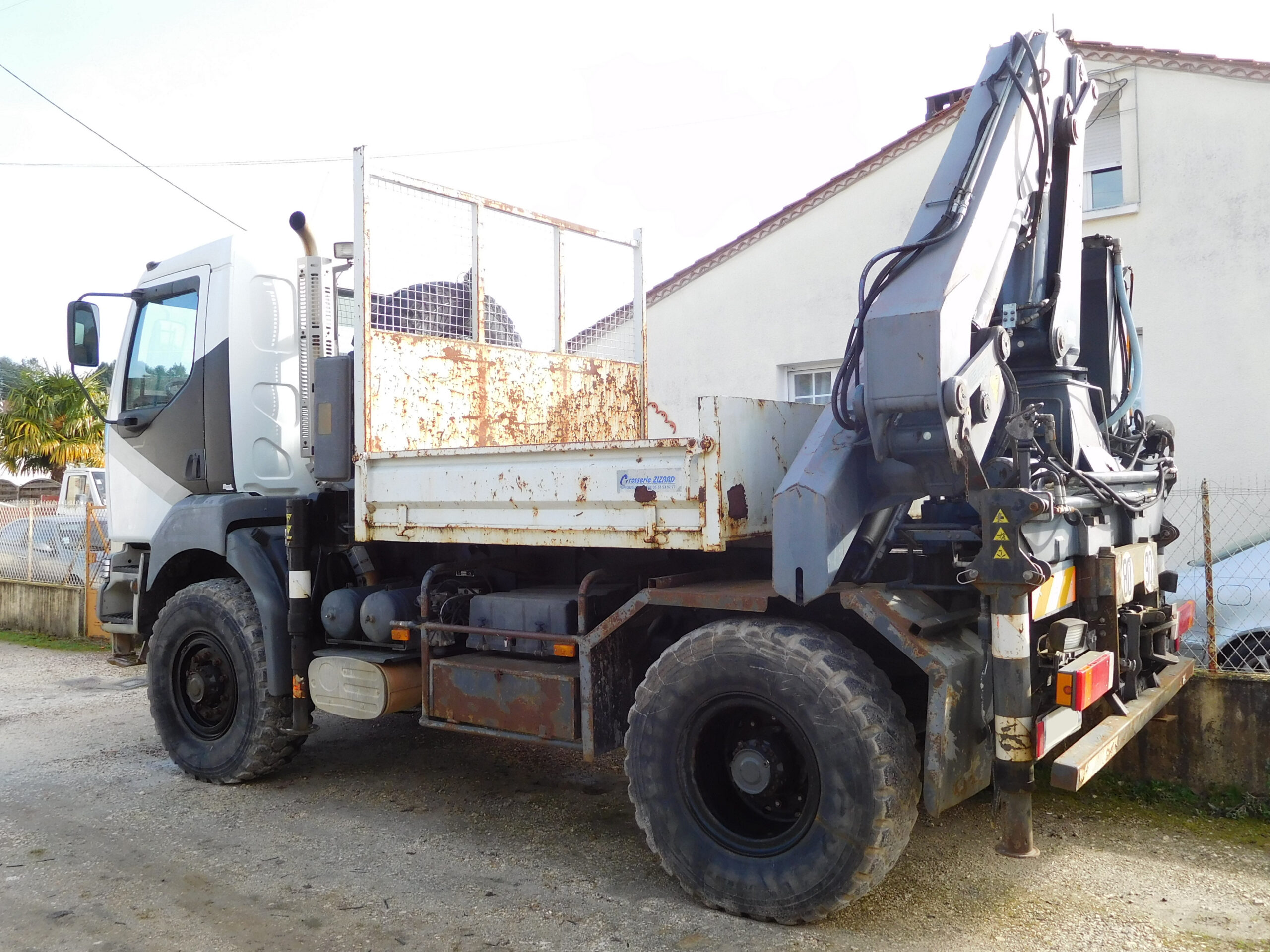
Downtime is often missing from supplier comparisons. When a crane is unavailable, a contractor may need to rent replacement equipment, move work to another vehicle, pay idle labor or postpone a customer project. A distributor may also face the cost of supporting a customer while replacement parts are in transit.
To estimate downtime exposure, consider how many working hours would be lost in a typical failure, the realistic cost of a replacement machine and how quickly local parts or service can be obtained. Avoid assuming that every lost hour equals lost revenue: use the actual cost to your operation.
Ask suppliers how replacement parts are identified, which consumables are recommended for the first year and what technical documentation accompanies the crane. Clear parts information and troubleshooting support can lower recovery time, although no supplier can guarantee a machine will never fail. If hydraulic issues are a concern, see What Are the Common Hydraulic Problems in Truck Mounted Cranes?.
8. Insurance, Inspection and Resale Value
Depending on the country and use, crane owners may need equipment insurance, liability cover, periodic examinations, vehicle registration or other compliance-related services. These costs should appear in the annual budget, even when they are paid by a separate department.
Resale value also matters. Buyers should consider the condition of the boom, chassis and hydraulic system; service records; spare parts availability; and whether the configuration is useful to other buyers. A well-documented, properly maintained crane may be easier to resell, but future resale proceeds should be treated as uncertain rather than guaranteed.
Depreciation is not an additional cash expense if the original purchase price and final resale proceeds are already in the same TCO calculation. It is an accounting way of distributing the asset’s loss in value over time; counting it again would overstate the cost.
9. How to Calculate Truck Mounted Crane TCO
A practical, undiscounted ownership-cost framework is:
TCO = Initial equipment and setup costs + Operating costs + Maintenance and repair costs + Compliance and downtime costs – Net resale proceeds.
For a meaningful supplier comparison, use the same ownership period, expected annual working hours, workload, destination and maintenance assumptions. If financing is involved, account for financing costs consistently; do not mix a cash-purchase method with a different financing method without explaining the difference.
| Worksheet Item | Your Project Figure |
|---|---|
| Crane or complete crane truck purchase price | To collect |
| Installation, chassis changes and commissioning | To collect |
| Freight, insurance and import charges | To collect |
| Annual fuel / operating expenses × ownership years | To calculate |
| Annual preventive maintenance × ownership years | To calculate |
| Expected repair and downtime allowance | To calculate |
| Inspections, insurance and approvals | To collect |
| Estimated net resale value (subtract) | To assess |
| Estimated lifetime productive operating hours | To assess |
Once these figures are available, divide the estimated TCO by expected productive operating hours to estimate ownership cost per working hour. This is more useful for many rental companies and contractors than an unsupported “average cost per crane.” Any worksheet is an estimate; review it when workload or local costs change.
10. Comparing Two Suppliers Fairly
Suppose Supplier A offers a lower purchase price, while Supplier B includes more suitable mounting components, clearer technical drawings and a better-defined spare parts package. Supplier A may still be the best option, but the comparison should include the cost of adding missing items and supporting the crane during use.
Ask both suppliers to provide the same technical basis: required lifting capacity at the operating radius, boom type, truck details, control configuration, mounting scope, manuals, inspection evidence and parts identification. Also check what local installation and after-sales responsibilities remain with the buyer.
A low price, a famous brand name or a factory photograph alone cannot establish lower lifetime cost. The goal is to reduce uncertainty through clear specifications, documented acceptance requirements and realistic local service planning.
11. How HAOY Approaches Customized Crane Requirements
HAOY (Xuzhou Haoyi Engineering Machinery Technology Co., Ltd.) supplies truck mounted cranes, including knuckle boom and telescopic boom configurations, as well as marine cranes and vehicle-mounted aerial work vehicles. The company supports OEM/ODM customization and accepts customized equipment orders starting from one unit.
For buyers evaluating lifetime costs, this flexibility is useful when they need a crane suited to a specific chassis or working task instead of buying multiple standard units. Buyers can discuss the required lifting radius, boom configuration, mounting position, outriggers, control method and application accessories before finalizing a project.
Customization does not automatically make a crane cheaper to own. Its value comes from selecting a practical configuration, avoiding unnecessary features and reducing the risk of buying equipment that is unsuitable for the intended work. Buyers should still confirm final specifications, available documentation, installation responsibility and after-sales arrangements for their order.
12. Questions to Ask Before You Buy
A short discussion with the crane supplier and local installer can prevent many budget surprises. Confirm the complete installed scope, lifting capacity at your actual radius, required truck modifications, shipping arrangement, spare parts list, estimated service tasks and who will perform local inspection. Request the exact model’s load chart rather than relying only on advertised tonnage.
If you already own a truck, provide its make, model, wheelbase, axle ratings, frame dimensions, PTO information and photos of the intended mounting area. If buying a complete vehicle, clarify whether the final vehicle configuration meets the destination country’s road and equipment requirements.
Frequently Asked Questions
Is the cheapest truck mounted crane the cheapest to own?
Not necessarily. Installation work, missing components, maintenance, unplanned repairs and downtime can outweigh a lower purchase price. Compare the same crane duty and ownership period.
What is the biggest hidden cost of a truck mounted crane?
There is no universal answer. For some owners it is installation and local compliance; for others it is downtime, chassis modification or recurring repair costs. The actual workload and destination market determine the result.
Should I include the truck chassis in TCO?
Yes, if you are buying a complete crane truck. If you already own the truck, use an incremental project comparison and account for the relevant truck operating costs without charging its original purchase twice.
How can I reduce maintenance costs without affecting safety?
Match the crane to its duty, follow the load chart, keep scheduled inspections, maintain clean hydraulic oil, lubricate required points and use compatible replacement parts. Never skip safety checks to save money.
Does a one-unit customized order increase ownership cost?
It may affect the unit price because some costs cannot be spread over a batch. But a well-matched single crane may avoid the cost of unsuitable equipment. Ask for a complete configuration and installation scope rather than comparing MOQ alone.
What information helps a supplier estimate the full cost?
Provide maximum load, required working radius and height, truck chassis information, installation location, working hours, destination country, control preferences and any special attachment requirements.
Conclusion
The total cost of ownership of a truck mounted crane depends on what happens before delivery, during daily operation and at the end of its service life. A sound purchase decision combines the correct load chart and chassis match with realistic installation, shipping, maintenance, downtime and resale assumptions.
Instead of asking only for the lowest crane price, build a simple ownership-cost worksheet and compare suppliers using the same operating conditions. For a project-specific recommendation, prepare your truck details, lifting load, working radius, expected working hours and destination market. That information will make technical discussions more useful and help prevent avoidable costs later.